

Damp & Mould
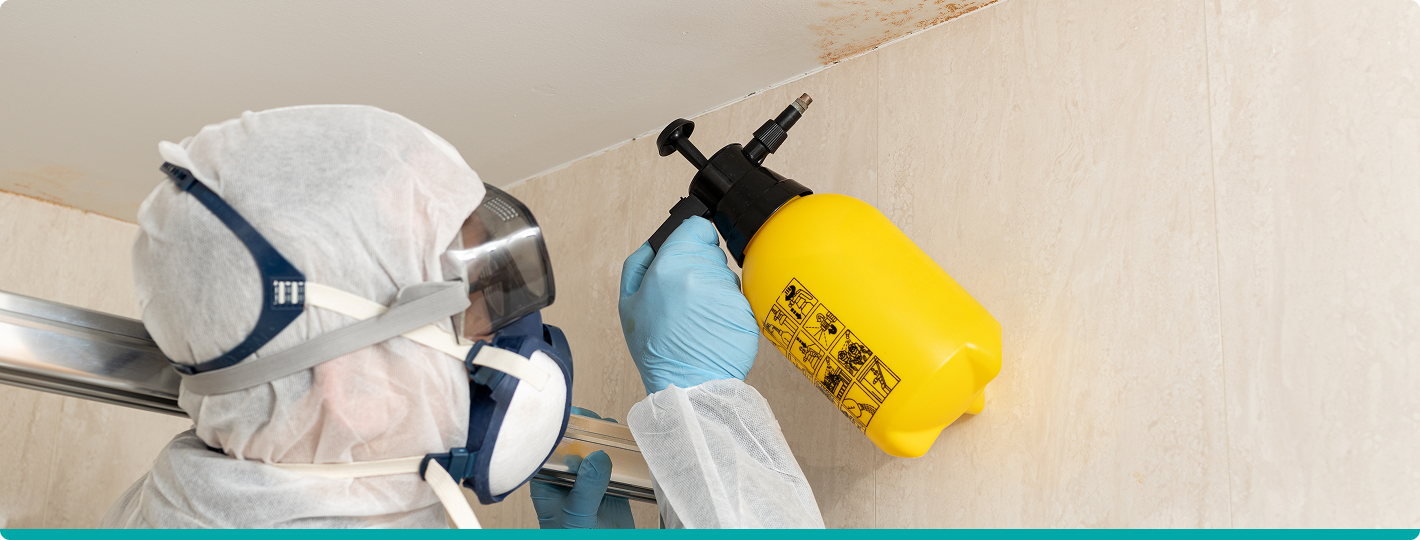
If you spot damp or mould in your home, it’s important to understand why it happens and what you can do to prevent it.

Damp is caused when moisture builds up and doesn’t dry out properly. Everyday activities like cooking, showering, and drying clothes indoors add moisture to the air. It can also come from outside – through leaks, blocked gutters, or structural issues. When this moisture stays trapped inside, it can lead to damp and mould.
There are simple steps you can take to reduce the risk and keep your home fresh and dry.

Condensation
When warm air meets a cold surface, like windows or tiles, forming water droplets. If not managed, condensation can lead to damp and mould.

Damp
Excess moisture in your home, often from leaks, structural issues, or water entering from outside. If left untreated, it can create the perfect conditions for mould.

Mould
A type of fungus that thrives in damp conditions. It often appears as small black spots on walls, ceilings, or bathroom sealants and can have a musty smell.
Preventing Damp & Mould
A few small changes can make a big difference in preventing damp and mould:
- Ventilate your home: Open windows slightly, use extractor fans, and keep internal doors closed when cooking or showering to stop moisture from spreading. Moving furniture a little away from walls also helps air circulate.
- Reduce moisture indoors: Dry clothes outside when possible or on a drying rack near an open window rather than on a radiator. Put lids on pans when cooking, and if you’re running a bath, add a few inches of cold water first before the hot – this can cut condensation by up to 90%.
- Wipe away condensation: Regularly check windows, sills, and kitchen/bathroom surfaces. A quick wipe with a dry cloth can stop mould before it starts.
- Don’t worry if you find some mould: Many homes experience small amounts of mould, and it’s only a problem if it spreads or keeps coming back.
If you spot small patches of mould, like on windowsills or bathroom sealant, you can remove it yourself with a mould remover kit. Just follow the instructions carefully to make sure it’s done safely and effectively.
If mould keeps coming back or spreads, let us know as soon as possible. Sometimes, persistent damp or mould is caused by underlying issues, like leaks or repairs that need fixing. The sooner we know about it, the sooner we can help.
If you’re struggling with persistent damp or mould, get in touch – we’re here to help.
Awaab's Law - What It Means for You
Awaab’s Law is a new rule to make sure damp and mould problems are fixed quickly.
- Emergency hazards: Made safe within 24 hours.
- Damp and mould issues: Investigated within 10 working days.
- Made safe within 5 working days after inspection.
If we can’t make your home safe in time, we’ll offer alternative accommodation.
You’ll get a written summary of what we find within 3 working days.
We’ll continue to deliver our Damp & Mould process. We’ll act fast, keep you informed, and prioritise homes with children or vulnerable customers.
Report damp or mould as soon as you notice it and give us as much detail as possible.
Downloads:
Damp and mould policy
Download
